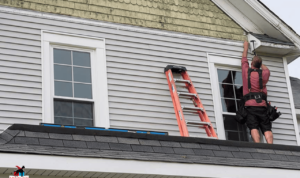
A Homeowner's Guide to Preparing for Roofing and Siding Near Me Installations sets the stage for this enthralling narrative, offering readers a glimpse into a story that is rich in detail with casual formal language style and brimming with originality from the outset.
As you delve into the intricacies of preparing for roofing and siding installations, you'll uncover valuable insights that will help you navigate this process with ease and confidence.
Researching Roofing and Siding Contractors
Finding reputable roofing and siding contractors in your area is crucial to ensuring a successful home improvement project. Here are some tips to help you in your search:Reading Reviews and Checking References
Before hiring a contractor, take the time to read reviews and check references from previous clients. This will give you insight into the contractor's work quality, professionalism, and reliability. Look for feedback on websites, social media platforms, and review sites to get a well-rounded view of the contractor's reputation.Verifying License and Insurance Coverage
It is essential to verify that the contractor you are considering is licensed and has the appropriate insurance coverage. A licensed contractor has met certain requirements and standards, ensuring they are qualified to perform the work. Additionally, insurance coverage protects you in case of any accidents or damages that may occur during the project. Always ask to see proof of license and insurance before hiring a contractor.Understanding Roofing and Siding Materials
When it comes to roofing and siding installations, choosing the right materials is crucial for the longevity and aesthetics of your home. Let's explore the different types of materials available and their pros and cons.
Types of Roofing Materials
Roofing materials play a significant role in protecting your home from the elements. Here are some popular options:
- Asphalt Shingles: Affordable and versatile, but may not be as durable as other materials.
- Metal Roofing: Durable and energy-efficient, but can be expensive upfront.
- Wood Shingles: Provide a natural look, but require more maintenance.
- Slate Roofing: Extremely durable and aesthetically pleasing, but comes at a higher cost.
Popular Siding Materials
When it comes to siding, there are various materials to choose from. Let's compare the pros and cons of some popular options:
- Vinyl Siding: Affordable, low maintenance, and comes in a variety of colors. However, it may not be as durable as other materials.
- Wood Siding: Provides a natural and timeless look, but requires regular maintenance to prevent rot and pests.
- Fiber Cement Siding: Durable, fire-resistant, and low maintenance, but can be more expensive than other options.
Factors to Consider
When selecting roofing and siding materials, it's essential to consider the climate of your region and the overall aesthetics you want to achieve. Here are some factors to keep in mind:
- Climate: Choose materials that can withstand the weather conditions in your area, such as high winds, heavy rains, or extreme temperatures.
- Aesthetics: Consider the architectural style of your home and choose materials that complement its design.
- Maintenance: Think about the level of maintenance you're willing to commit to, as some materials require more upkeep than others.
- Budget: Determine your budget for the project and select materials that align with your financial constraints.
Preparing Your Home for Roofing and Siding Installations
When getting ready for roofing and siding installations, it's essential to take the necessary steps to ensure a smooth process and protect your property.Protecting Landscaping and Outdoor Furniture
Before the construction begins, it's crucial to safeguard your landscaping and outdoor furniture from potential damage. Here are some tips to help you with this:- Trim back any overhanging branches or bushes that could interfere with the work.
- Cover delicate plants or bushes with a tarp to shield them from debris and dust.
- Move outdoor furniture, grills, and any other items away from the work area to prevent accidental damage.
- If you have any fragile decorations or ornaments in your yard, consider removing them temporarily until the installation is complete.
Checklist of Items to Remove or Secure
To ensure the safety of your belongings and facilitate the installation process, here is a checklist of items you may need to remove or secure before the work begins:- Remove any valuable items from the walls or shelves inside your home to prevent them from falling during the construction vibrations.
- Secure any loose items in your attic or storage areas to prevent them from shifting or falling during the installation.
- Park your vehicles away from the house to avoid any potential damage from falling debris or materials.
- Notify your neighbors about the upcoming construction to ensure they are aware and can make necessary arrangements if needed.
Budgeting and Financing for Roofing and Siding Projects
When embarking on a roofing or siding project, budgeting and financing are crucial aspects to consider. Proper planning in this area can help homeowners manage costs effectively and ensure the success of their home improvement projects.Strategies for Budgeting and Estimating Costs
- Get multiple quotes from reputable roofing and siding contractors to compare prices.
- Consider the size of the project, materials needed, labor costs, and any additional services required.
- Factor in unexpected expenses by setting aside a contingency fund in your budget.
- Consult with professionals to get a detailed cost breakdown and timeline for the project.
Different Financing Options for Homeowners
- Home equity loans or lines of credit can provide funds for larger projects with favorable interest rates.
- Personal loans from banks or credit unions offer flexibility in repayment terms and amounts.
- Government-backed loans or grants may be available for energy-efficient roofing or siding upgrades.
- Financing plans offered by contractors or manufacturers can help spread out costs over time.
Tips for Prioritizing Repairs Based on Budget Constraints
- Address urgent issues like leaks or structural damage first to prevent further costly damage.
- Focus on areas that have the most impact on your home's curb appeal or energy efficiency.
- Consider temporary repairs or maintenance measures if a full replacement is not feasible within your budget.
- Consult with professionals to explore cost-effective alternatives or phased approaches to the project.
Permits and Regulations for Roofing and Siding Work
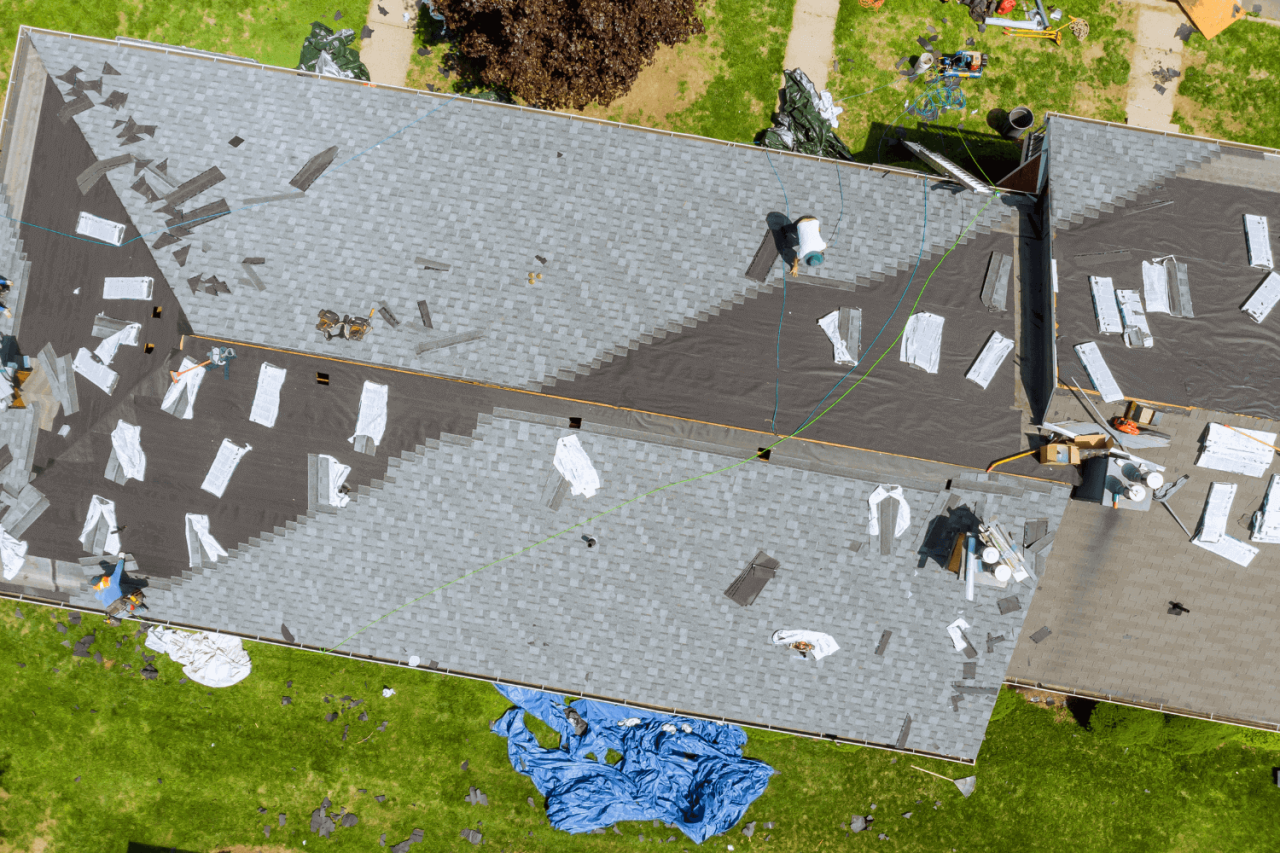 When it comes to roofing and siding installations, obtaining the necessary permits and complying with regulations is crucial to ensure the safety and quality of the work being done. Failure to adhere to these requirements can result in fines, delays, or even the need to redo the project.It is essential to identify the permits required for roofing and siding installations in your local area before starting any work. These permits may vary depending on the type of project, the materials being used, and the specific regulations of your city or county.
Importance of Compliance with Building Codes and Regulations
Compliance with building codes and regulations is essential to ensure that the roofing and siding work meets safety standards and quality requirements. It helps protect the structural integrity of your home and the well-being of its occupants. Non-compliance can lead to serious consequences, including accidents, property damage, and legal issues.- Adhering to building codes ensures that the roofing and siding installations are done correctly and safely.
- Compliance helps prevent structural failures, leaks, and other issues that can arise from substandard work.
- Following regulations also helps maintain the value of your property and can be crucial when selling or refinancing your home.
Navigating the Permit Application Process
The permit application process for roofing and siding work can sometimes be complex and time-consuming. It is essential to follow these steps to ensure all necessary approvals are obtained before starting the project:- Start by contacting your local building department to inquire about the specific permits required for your project.
- Prepare all the necessary documentation, such as project plans, material specifications, and contractor information, to submit with your application.
- Fill out the permit application accurately and completely, providing all the required information to avoid delays in the approval process.
- Pay any applicable permit fees and await approval from the building department before commencing any work on your roofing or siding project.
Final Thoughts
In conclusion, arming yourself with the knowledge and preparation Artikeld in this guide will undoubtedly lead to a successful roofing and siding project. From selecting contractors to understanding materials and budgeting, you are now equipped to embark on this journey with clarity and assurance.
Top FAQs
How can I find reputable roofing and siding contractors in my area?
You can start by asking for recommendations from friends and family, checking online reviews, and verifying licenses and insurance before making a decision.
What are the different financing options available for roofing and siding projects?
Financing options can include personal loans, home equity loans, or financing plans offered by contractors. It's important to explore these options to find the best fit for your budget.
Why is it important to comply with building codes and regulations during roofing and siding work?
Compliance ensures safety, quality, and adherence to standards. Failure to comply can lead to fines, project delays, or even legal issues.